0 £0.00
products in your basketto quote Checkout
Ooops no items were found.
Try something else.
Ok
Loading…

Budget-Friendly Sustainability Guide

How to Create an Eco-Friendly Office on a Budget (UK Guide)

Creating a greener workplace does not have to mean a large upfront spend. Many of the most effective changes are simple, practical and can be introduced gradually as everyday office products need replacing.

This guide looks at how UK businesses can improve sustainability while keeping costs under control across paper, stationery, cleaning, furniture, energy use and waste.

Start With The Right Mindset

Going greener does not have to mean spending more

Some sustainable products do carry a higher purchase price, but price alone does not tell the full story. A product that lasts longer, can be refilled or reduces waste may deliver better value over time than a cheaper disposable alternative.

The key is to focus on practical changes with a clear benefit rather than trying to replace everything at once.

A simple budget rule Use what you already have, replace products when they genuinely need replacing, and choose a better alternative at that point where the cost and performance make sense.

Smarter Procurement

1. Buy smarter, not necessarily more expensively

Sustainable procurement works best when buyers look beyond the cheapest unit price and consider the wider value of a product.

Recycled Content Look for recycled alternatives where they meet the required performance.
Refillable Products Refillable pens, dispensers and cleaning products can reduce repeat purchasing.
Longer Lifespan Durable products may cost more initially but can reduce replacement frequency.

Control Costs

2. Consolidate orders and use bulk buying carefully

Consolidating routine purchases can help reduce administration and may improve value, particularly for products your workplace uses regularly.

The important part is to avoid confusing bulk buying with overbuying. There is little environmental or financial benefit in purchasing large quantities of stock that sits unused.

  • Combine routine orders where practical
  • Identify genuinely high-use products
  • Set sensible stock levels
  • Avoid duplicate purchasing across departments
  • Review slow-moving stock before reordering

Easy Swap

3. Review everyday paper use

Paper is one of the easiest workplace categories to review because it is used frequently and there are many different recycled and responsibly sourced options available.

For routine internal printing, a suitable recycled paper can be a straightforward change. For other applications, FSC-certified or specialist paper may be more appropriate.

Read our FSC vs Recycled Paper guide to compare the two approaches.

Shop Plain Paper

Everyday Supplies

4. Make simple stationery swaps

Pens, notebooks, files and desk accessories are small purchases individually, but high usage across a business can make them worthwhile categories to review.

Look for recycled-content or refillable alternatives and focus on products that will stay in use for longer.

  • Refillable pens instead of disposable versions
  • Recycled-content writing instruments
  • Recycled-paper notebooks and pads
  • Durable files and folders
  • Reusable desk accessories where practical

For more ideas, see 5 Easy Eco-Friendly Office Supply Swaps .

Cleaning & Washroom

5. Reduce waste in cleaning and washroom supplies

Cleaning chemicals, hand towels, soap and other washroom consumables are purchased repeatedly, so this is another area where small changes can build over time.

Concentrated cleaning products, refill systems and recycled-content consumables may help reduce packaging and unnecessary waste where they are suitable for the job.

Read our guide to choosing eco-friendly cleaning supplies for more detail.

Cleaning Supplies Washroom Supplies

Think Long Term

6. Buy furniture for longevity, not just price

Furniture is one area where the cheapest option can become expensive if it needs replacing too quickly.

A durable chair, desk or storage unit that remains useful for many years may represent better value and create less waste than a lower-cost product with a short lifespan.

Learn more in our guide to choosing sustainable office furniture .

Shop Office Furniture

Reduce Running Costs

7. Reduce energy use before buying new equipment

Not every sustainability improvement requires a purchase. Some of the most budget-friendly changes come from using existing equipment more efficiently.

  • Turn off unused lights and equipment
  • Use power-saving settings where available
  • Review heating and cooling schedules
  • Avoid leaving printers and monitors running unnecessarily
  • Replace equipment only when there is a genuine need

Print Smarter

8. Cut unnecessary printing

Reducing print volumes can save paper, toner and money without requiring any new products at all.

  • Use digital workflows where practical
  • Set duplex printing as the default where appropriate
  • Use black-and-white printing for routine documents
  • Review unnecessary print jobs
  • Use the correct paper specification for the task

See our sustainable office printing strategy for a fuller approach.

Waste Reduction

9. Improve recycling before spending heavily

A better recycling system does not always require a complicated setup. Clear bins, sensible placement and employee communication can make a big difference.

Start by identifying your largest waste streams and making the correct disposal route obvious.

Our Business Recycling Services UK guide explains recycling bins, First Mile services, cardboard, toner and specialist recycling in more detail.

Shop Recycling Bins

Budget Checklist

How to judge whether a greener product offers good value

Question Why It Matters
Will it last longer? Longer product life can reduce replacement costs.
Can it be refilled or reused? Reusable formats may reduce repeat purchasing and waste.
Will we actually use it? Avoid buying products simply because they appear more sustainable.
Does it reduce another cost? Some products may reduce energy, packaging or disposal requirements.
Does it suit the task? A product that performs poorly may create more waste rather than less.

A Practical Plan

Create a greener office one step at a time

A phased approach is often better for both budget control and staff adoption.

1. Audit Identify the products you buy most often and where waste is occurring.
2. Prioritise Choose a few easy changes with low cost and clear benefits.
3. Expand Add more sustainable options as products naturally need replacing.

Keep Reading

Related budget & sustainability guides

5 Easy Eco-Friendly Office Supply Swaps Start with simple high-use products such as paper, pens and cleaning supplies. 50 Ways to Make Your Office More Eco-Friendly A broader collection of practical ideas for reducing waste and improving workplace sustainability. How The Green Office Supports Sustainable Workplaces Explore greener procurement, recycling and environmental initiatives. Sustainable Office Supplies for B Corps See how sustainable purchasing and recycling can support a more structured procurement strategy. How to Choose Sustainable Office Furniture Learn why durability, flexibility and longevity matter when buying office furniture. 5 Common Office Sustainability Myths Debunked Challenge some of the assumptions that make greener workplace changes seem harder or more expensive than they need to be.

Final Thoughts

Spend better rather than simply spending more

Creating a greener office on a budget is less about buying a completely new set of products and more about making better decisions when something genuinely needs to be purchased.

Start with high-use items, reduce unnecessary consumption, choose products that offer good long-term value and improve your approach gradually. That keeps both environmental impact and budget under better control.

Start building a greener office without overspending

Explore sustainable office supplies, recycled paper, cleaning products and practical workplace alternatives.

Shop Eco Office Supplies Shop Paper Ask Our Team

4 products found
Sort by
Q-Connect Half Strip Plastic Stapler Blue KF02151
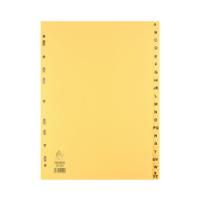
Buff A4 20-Part A-Z Index For A4 Ring Binders or Lever Arch Files WX26011
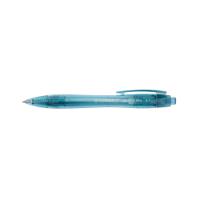
Q-Connect Ballpoint Pen 0.7mm Recycled Black (Pack of 10) KF15002
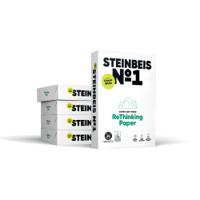
Steinbeis No.1 Classic Recycled Paper Off-White A4 80gsm (Pack of 2500) 10025
Total 4 products

Budget-Friendly Sustainability Guide

How to Create an Eco-Friendly Office on a Budget (UK Guide)

Creating a greener workplace does not have to mean a large upfront spend. Many of the most effective changes are simple, practical and can be introduced gradually as everyday office products need replacing.

This guide looks at how UK businesses can improve sustainability while keeping costs under control across paper, stationery, cleaning, furniture, energy use and waste.

Start With The Right Mindset

Going greener does not have to mean spending more

Some sustainable products do carry a higher purchase price, but price alone does not tell the full story. A product that lasts longer, can be refilled or reduces waste may deliver better value over time than a cheaper disposable alternative.

The key is to focus on practical changes with a clear benefit rather than trying to replace everything at once.

A simple budget rule Use what you already have, replace products when they genuinely need replacing, and choose a better alternative at that point where the cost and performance make sense.

Smarter Procurement

1. Buy smarter, not necessarily more expensively

Sustainable procurement works best when buyers look beyond the cheapest unit price and consider the wider value of a product.

Recycled Content Look for recycled alternatives where they meet the required performance.
Refillable Products Refillable pens, dispensers and cleaning products can reduce repeat purchasing.
Longer Lifespan Durable products may cost more initially but can reduce replacement frequency.

Control Costs

2. Consolidate orders and use bulk buying carefully

Consolidating routine purchases can help reduce administration and may improve value, particularly for products your workplace uses regularly.

The important part is to avoid confusing bulk buying with overbuying. There is little environmental or financial benefit in purchasing large quantities of stock that sits unused.

  • Combine routine orders where practical
  • Identify genuinely high-use products
  • Set sensible stock levels
  • Avoid duplicate purchasing across departments
  • Review slow-moving stock before reordering

Easy Swap

3. Review everyday paper use

Paper is one of the easiest workplace categories to review because it is used frequently and there are many different recycled and responsibly sourced options available.

For routine internal printing, a suitable recycled paper can be a straightforward change. For other applications, FSC-certified or specialist paper may be more appropriate.

Read our FSC vs Recycled Paper guide to compare the two approaches.

Shop Plain Paper

Everyday Supplies

4. Make simple stationery swaps

Pens, notebooks, files and desk accessories are small purchases individually, but high usage across a business can make them worthwhile categories to review.

Look for recycled-content or refillable alternatives and focus on products that will stay in use for longer.

  • Refillable pens instead of disposable versions
  • Recycled-content writing instruments
  • Recycled-paper notebooks and pads
  • Durable files and folders
  • Reusable desk accessories where practical

For more ideas, see 5 Easy Eco-Friendly Office Supply Swaps .

Cleaning & Washroom

5. Reduce waste in cleaning and washroom supplies

Cleaning chemicals, hand towels, soap and other washroom consumables are purchased repeatedly, so this is another area where small changes can build over time.

Concentrated cleaning products, refill systems and recycled-content consumables may help reduce packaging and unnecessary waste where they are suitable for the job.

Read our guide to choosing eco-friendly cleaning supplies for more detail.

Cleaning Supplies Washroom Supplies

Think Long Term

6. Buy furniture for longevity, not just price

Furniture is one area where the cheapest option can become expensive if it needs replacing too quickly.

A durable chair, desk or storage unit that remains useful for many years may represent better value and create less waste than a lower-cost product with a short lifespan.

Learn more in our guide to choosing sustainable office furniture .

Shop Office Furniture

Reduce Running Costs

7. Reduce energy use before buying new equipment

Not every sustainability improvement requires a purchase. Some of the most budget-friendly changes come from using existing equipment more efficiently.

  • Turn off unused lights and equipment
  • Use power-saving settings where available
  • Review heating and cooling schedules
  • Avoid leaving printers and monitors running unnecessarily
  • Replace equipment only when there is a genuine need

Print Smarter

8. Cut unnecessary printing

Reducing print volumes can save paper, toner and money without requiring any new products at all.

  • Use digital workflows where practical
  • Set duplex printing as the default where appropriate
  • Use black-and-white printing for routine documents
  • Review unnecessary print jobs
  • Use the correct paper specification for the task

See our sustainable office printing strategy for a fuller approach.

Waste Reduction

9. Improve recycling before spending heavily

A better recycling system does not always require a complicated setup. Clear bins, sensible placement and employee communication can make a big difference.

Start by identifying your largest waste streams and making the correct disposal route obvious.

Our Business Recycling Services UK guide explains recycling bins, First Mile services, cardboard, toner and specialist recycling in more detail.

Shop Recycling Bins

Budget Checklist

How to judge whether a greener product offers good value

Question Why It Matters
Will it last longer? Longer product life can reduce replacement costs.
Can it be refilled or reused? Reusable formats may reduce repeat purchasing and waste.
Will we actually use it? Avoid buying products simply because they appear more sustainable.
Does it reduce another cost? Some products may reduce energy, packaging or disposal requirements.
Does it suit the task? A product that performs poorly may create more waste rather than less.

A Practical Plan

Create a greener office one step at a time

A phased approach is often better for both budget control and staff adoption.

1. Audit Identify the products you buy most often and where waste is occurring.
2. Prioritise Choose a few easy changes with low cost and clear benefits.
3. Expand Add more sustainable options as products naturally need replacing.

Keep Reading

Related budget & sustainability guides

5 Easy Eco-Friendly Office Supply Swaps Start with simple high-use products such as paper, pens and cleaning supplies. 50 Ways to Make Your Office More Eco-Friendly A broader collection of practical ideas for reducing waste and improving workplace sustainability. How The Green Office Supports Sustainable Workplaces Explore greener procurement, recycling and environmental initiatives. Sustainable Office Supplies for B Corps See how sustainable purchasing and recycling can support a more structured procurement strategy. How to Choose Sustainable Office Furniture Learn why durability, flexibility and longevity matter when buying office furniture. 5 Common Office Sustainability Myths Debunked Challenge some of the assumptions that make greener workplace changes seem harder or more expensive than they need to be.

Final Thoughts

Spend better rather than simply spending more

Creating a greener office on a budget is less about buying a completely new set of products and more about making better decisions when something genuinely needs to be purchased.

Start with high-use items, reduce unnecessary consumption, choose products that offer good long-term value and improve your approach gradually. That keeps both environmental impact and budget under better control.

Start building a greener office without overspending

Explore sustainable office supplies, recycled paper, cleaning products and practical workplace alternatives.
Shop Eco Office Supplies Shop Paper Ask Our Team

SEARCH ×

Search